Fire cider is something I like to keep on hand during the colder months. It’s a simple infusion made with apple cider vinegar, fresh vegetables, herbs, and spices that are traditionally used to support the immune system.
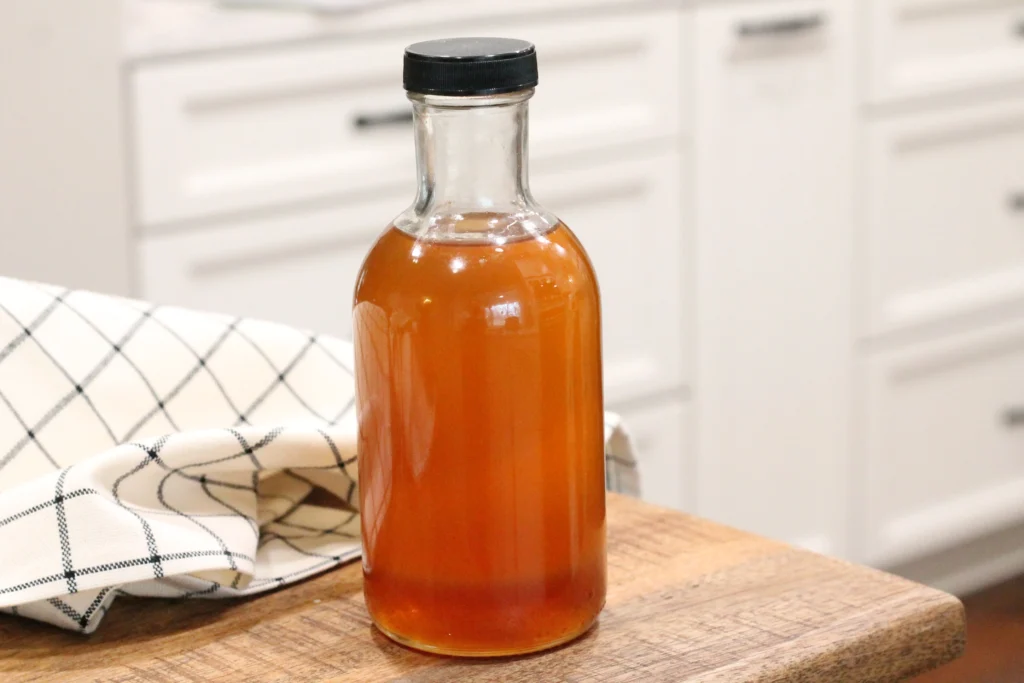
If you’ve never made fire cider before, don’t let the ingredient list intimidate you. It’s really just a matter of chopping, pouring, and letting time do the work. This small-batch homemade fire cider recipe uses simple, whole ingredients and is a great place to start if you want to make your own at home.
This post may contain affiliate links through amazon, which means I may make a small commission at no extra cost to you. When you make a purchase through my link, you help me to keep Little Tennessee Home up and running! Thank you for your support! See my full disclosure here.
A Little History of Fire Cider
The name “fire cider” was popularized a few decades ago by American herbalist Rosemary Gladstar, who shared her recipe with students over the years. Many of those students went on to create and sell their own versions of the traditional fire cider recipe.
If you’re interested in more of Rosemary Gladstar’s favorite recipes, she published Fire Cider!, a book featuring 101 zesty recipes from her own kitchen and beyond.
The recipe I share here is my own version of the original recipe with additional ingredients and perfect for a small batch.
What Fire Cider Is Good For
Fire cider is used as one of many herbal remedies to support the immune system, especially during cold and flu season. Perfect for sore throats, immune support, or just maintaining good health. I take about 1 tablespoon in a shot glass once a day for prevention, chasing it with a little orange juice. If I start feeling sick, I’ll take a shot of fire cider 3–4 times a day. **This is not medical advice, always seek advice from a medical professional.
Why Organic Ingredients Matter
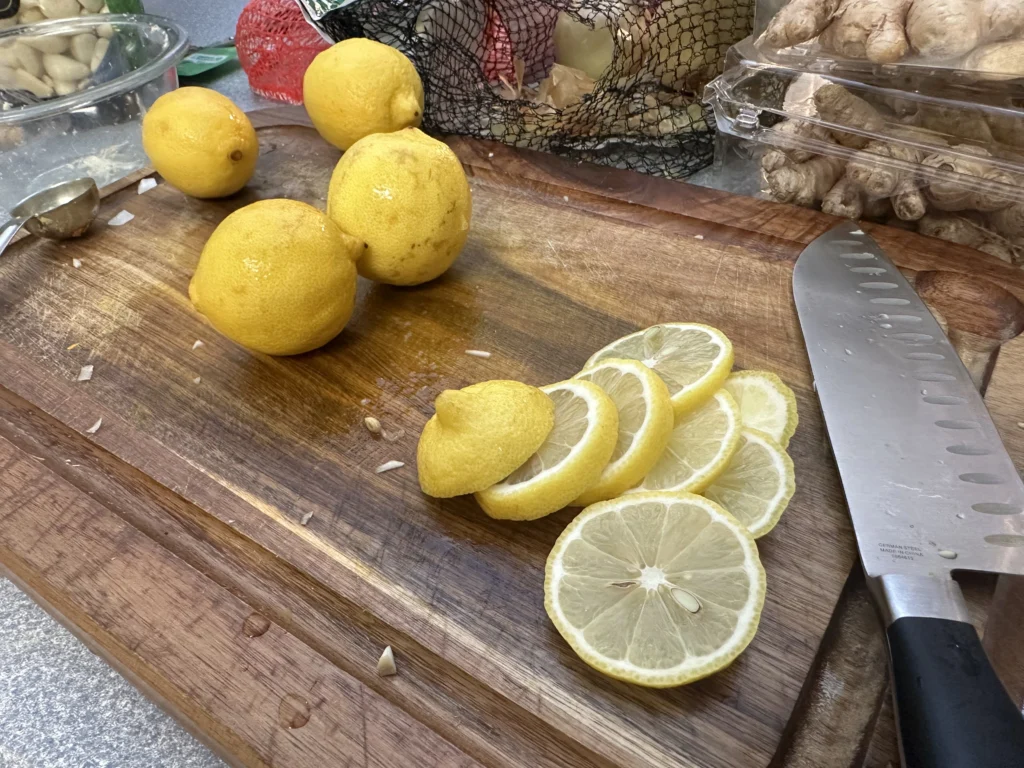
Fire cider is made by soaking whole ingredients in vinegar for several weeks, which means anything on the surface of the food ends up in the final infusion. Using organic ingredients is especially important when you’re leaving peels on citrus or not peeling roots like ginger, turmeric, and horseradish.
Conventional produce can carry pesticide residues on the skin, and since those peels and roots sit in the vinegar the entire time, organic is the best option when possible. It doesn’t have to be perfect, but choosing organic for the citrus, garlic, onions, and roots makes difference. If you can’t find organic for the roots, you can peel them to remove the outside of the root.
I’m able to source all of the organic ingredients unavailable at my grocery store, through Azure Standard, which makes it easier to find good-quality items even when they’re not available locally at the grocery store. I love that they have more than just food products! They even have plastic jar lids, supplements, cleaning products, and more!
Tools Needed
- 1 clean quart-size glass mason jar
- Lid (plastic lid preferred)
- Cutting board
- Sharp knife
- Measuring cups and spoons
- Fine-mesh strainer or cheesecloth
- Clean bowl or measuring cup for straining
If using a metal lid, place a piece of parchment paper between the jar and the lid to protect it from the vinegar.
Fire Cider Ingredients (Per 1-Quart Jar)
For the infusion:
- 2 cups organic raw apple cider vinegar (plus extra if needed)
- ½ organic onion, chopped
- 10 organic garlic cloves, smashed
- ½ organic lemon, sliced
- ½ organic orange, sliced
- 1 organic jalapeño, sliced (or any other hot peppers)
- 2 tablespoons organic finely chopped ginger root
- 2 tablespoons organic finely chopped fresh horseradish root
- 1 tablespoon organic finely chopped fresh turmeric root
- 1 teaspoon dried thyme
- 1 teaspoon dried rosemary
- 1 teaspoon dried oregano
- ½ tablespoon black peppercorns
- ¼ teaspoon cayenne pepper
Added after infusing:
- 1–2 cups raw honey, to taste
How to Make Fire Cider
This recipe is written specifically for a small batch 1 quart jar. I made multiple 1 quart jars at a time because we use this so often, but many people may not want to make that much and a small batch is the perfect place to start!
Step 1: Prep the ingredients
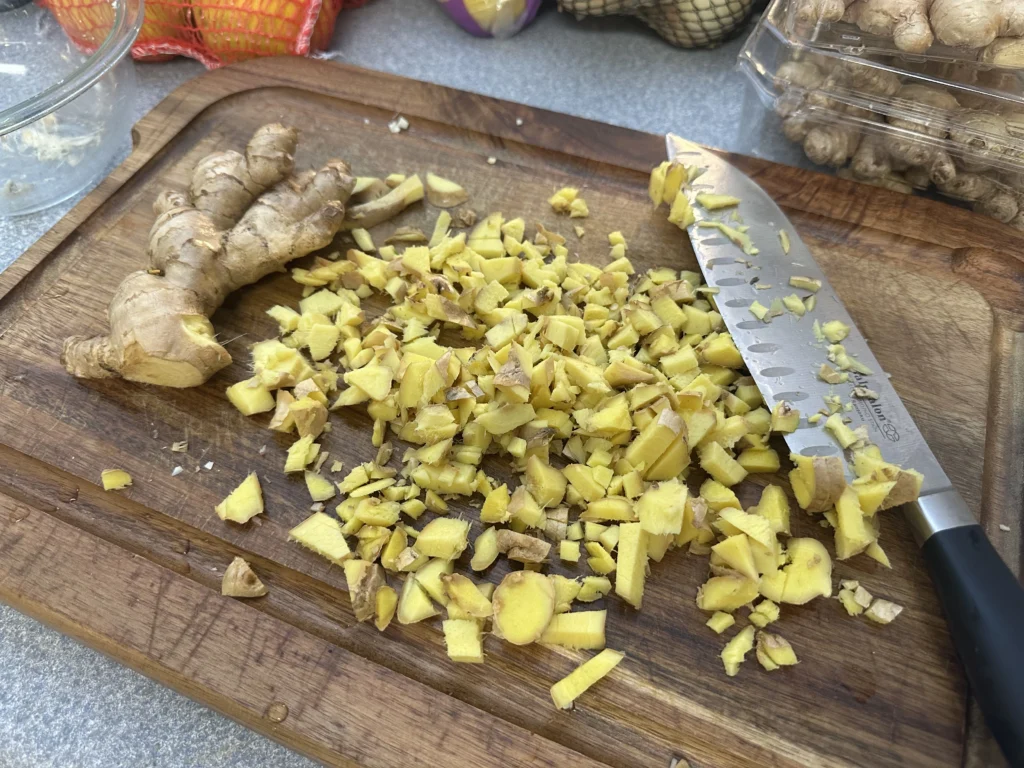
Wash all produce well. Chop the onion, slice the lemon, orange, and jalapeño, and finely chop the ginger, horseradish, and turmeric root. Smash the garlic cloves to help release their flavor.
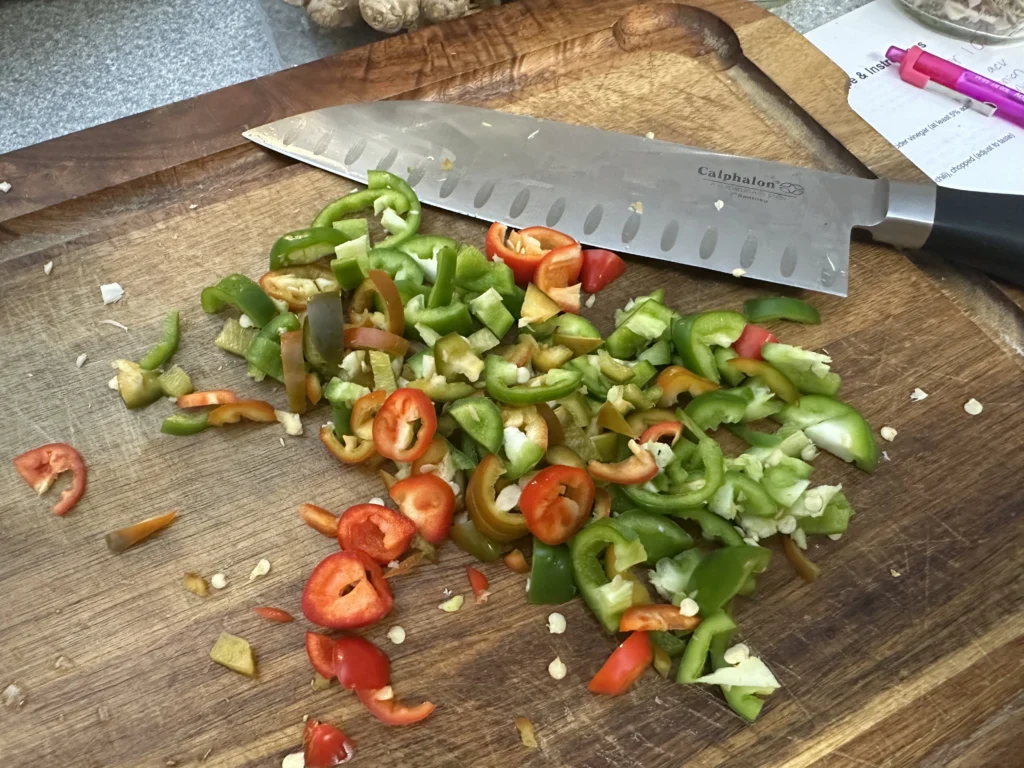
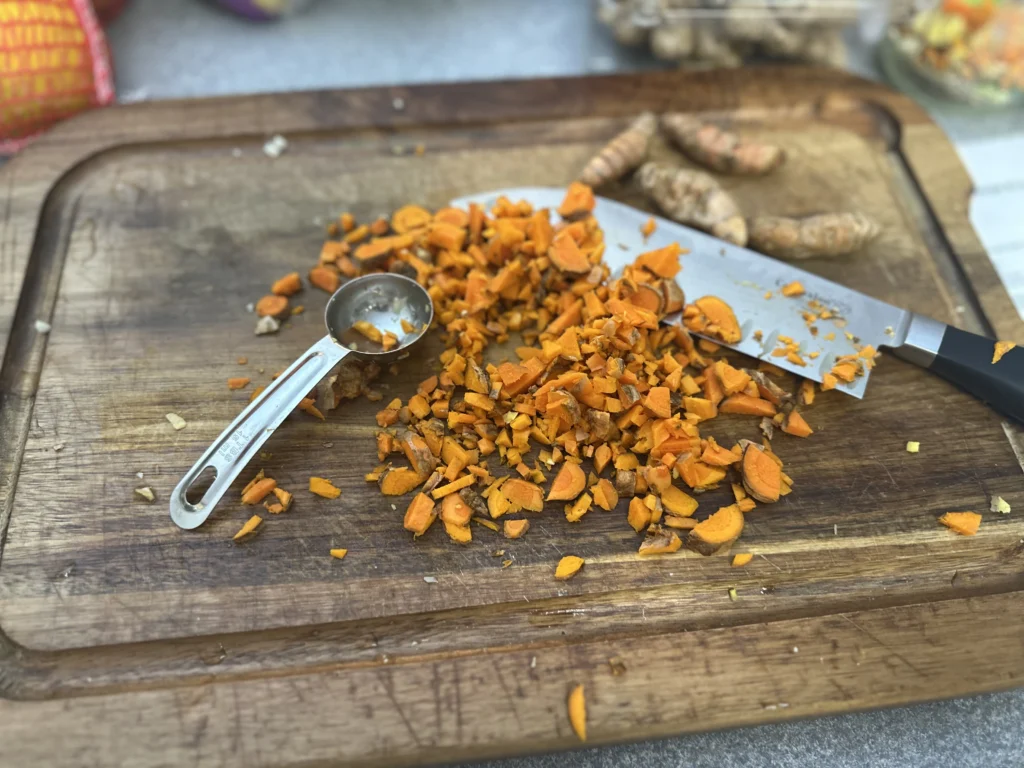
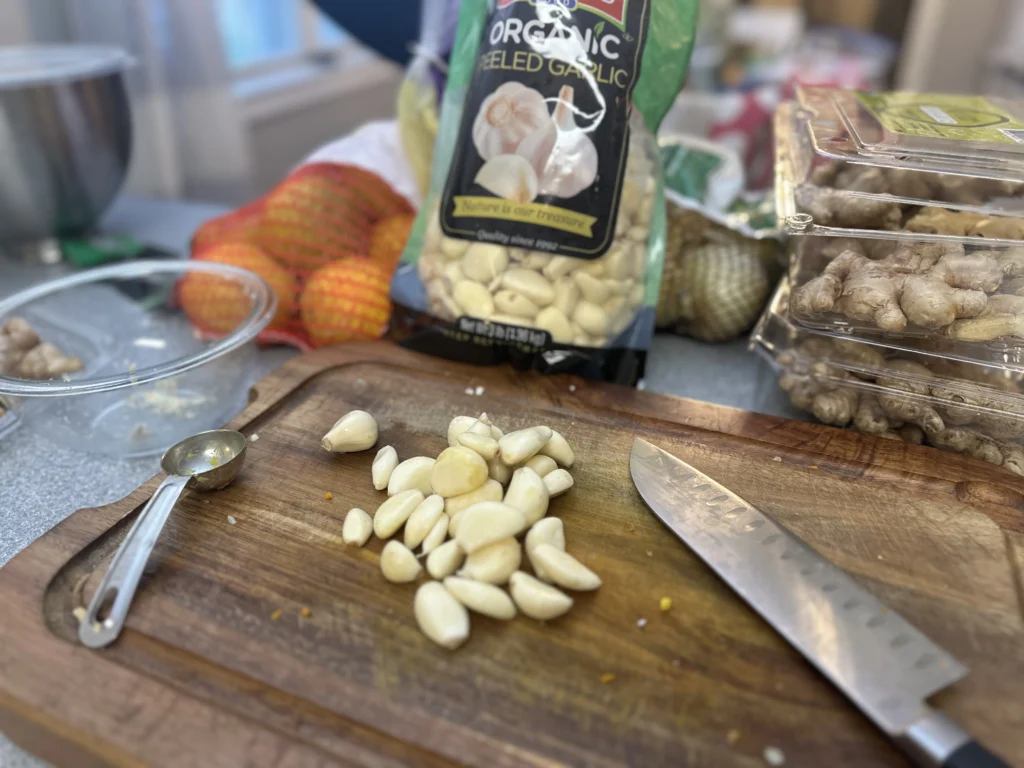
There’s no need to be precise here. Rough chopping is fine.
Step 2: Fill the jar
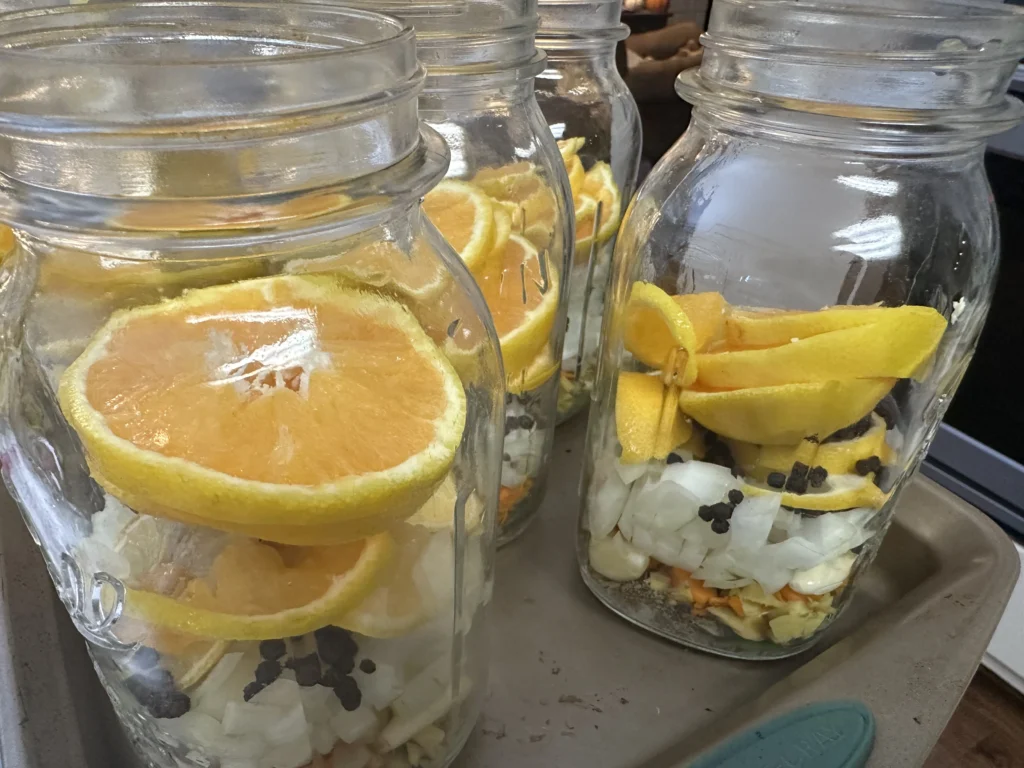
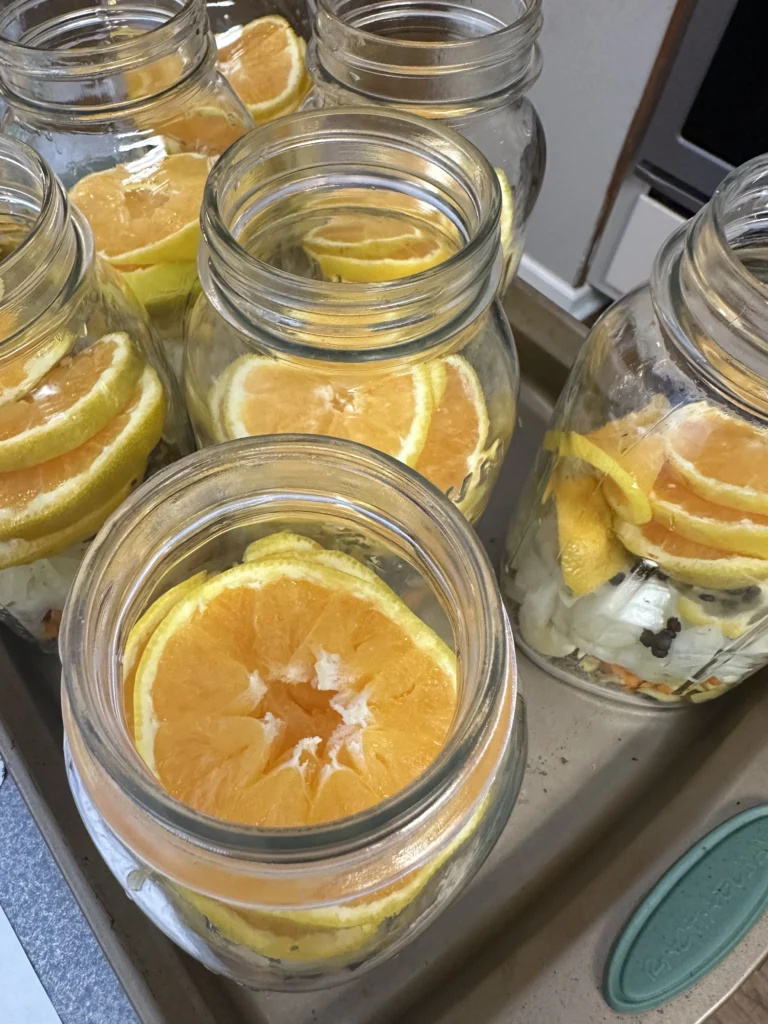
Add all of the prepared ingredients to a clean quart-size glass jar. Sprinkle in the dried herbs, black peppercorns, and cayenne.
The jar should be mostly full, but not packed too tightly.
Step 3: Add the vinegar
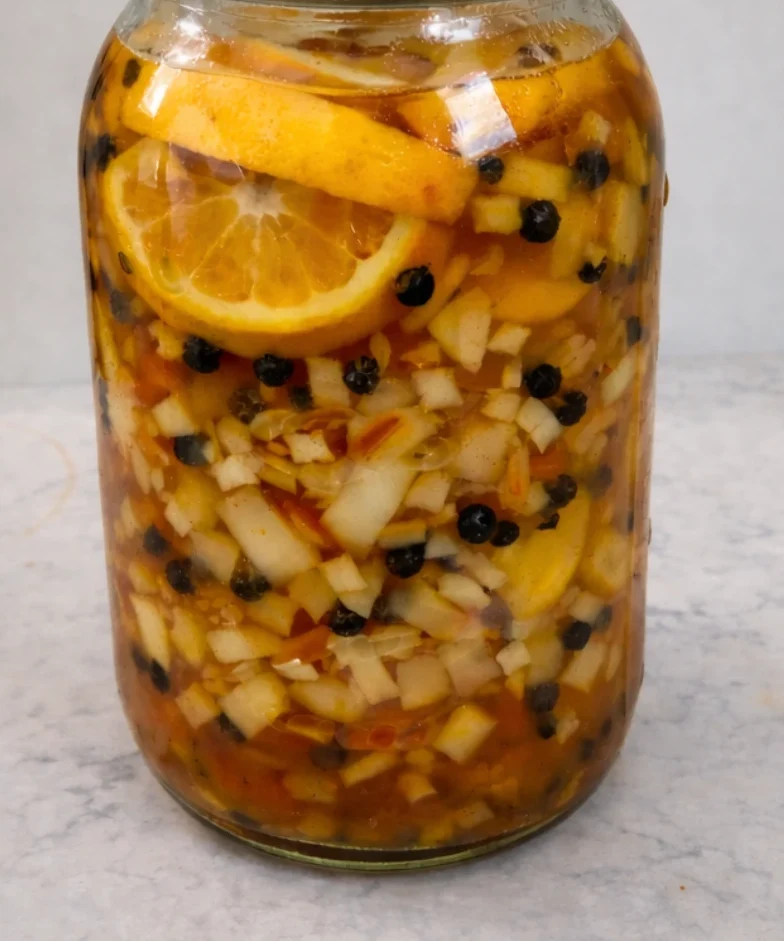
Pour apple cider vinegar over the ingredients until everything is completely covered. If needed, add a little extra vinegar to make sure nothing is sticking up above the liquid.
This helps prevent mold while it infuses.
If you’re using a metal lid, place a piece of parchment paper between the jar and the lid to protect it from the vinegar.
Step 4: Let it infuse
Seal the jar and place it in a cool, dark place like a pantry or cabinet. Let it sit for 4–6 weeks, give it a good shake every few days.
Step 5: Strain
Once the infusion time is up, strain the mixture through a fine-mesh strainer or cheesecloth into a clean bowl or jar. Press the solids to get as much liquid out as possible, then discard the solids.
Step 6: Add the honey
Stir in 1–2 cups of raw local honey, depending on how sweet you want it. Start with 1/2 cup, taste, and add more if needed. Stir until fully combined.
Why Use Raw Honey
Raw honey does more than just sweeten fire cider. Because it hasn’t been heated or heavily processed, it retains its natural enzymes and beneficial compounds. Local honey can sometimes be preferred because it contains small amounts of local pollen, which many people choose as part of their seasonal wellness routine.
Adding the honey after the infusion is strained allows you to control the sweetness and keeps the vinegar-based infusion strong. The honey helps balance the sharpness and heat without overpowering the other ingredients.
Using Dried Ingredients Instead of Fresh
If you can’t find fresh herbs, or other organic ingredients locally, fire cider can still be made using dried herbs and roots.
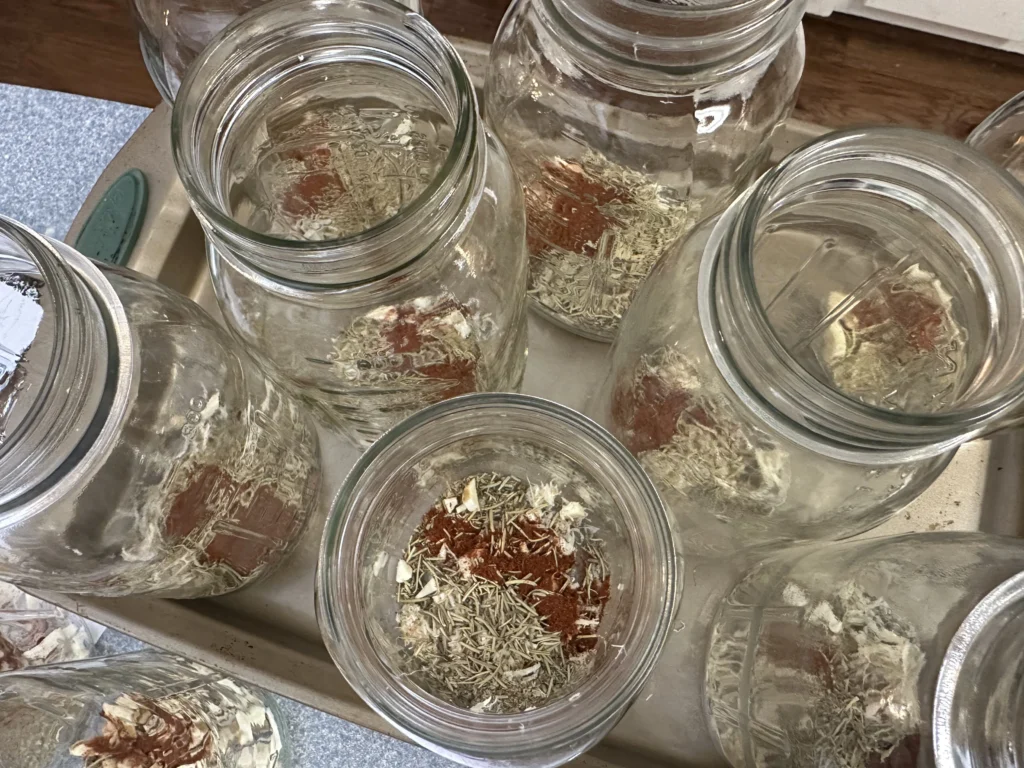
As a general guideline:
- Use 1 tablespoon dried herbs or dried roots in place of 2 tablespoons fresh
- Dried citrus peel can be used if fresh organic citrus isn’t available
Keep in mind that dried ingredients are more concentrated, so a little goes a long way. The flavor will be slightly different, but the infusion will still be effective.
How to Store Fire Cider
It is recommended to store the finished fire cider in a sealed glass jar or bottle. It can be kept in the refrigerator or a cool pantry. Properly stored, it will keep for several months. I store mine at room temperature without any issues.
How to Use Fire Cider
- Take 1 tablespoon daily
- Take 1 tablespoon as needed during colder months
- Mix with warm water or tea if preferred
It’s strong and spicy, so start small if this is your first time.
Notes
- Keep all ingredients fully submerged during infusing
- Adjust the heat by using more or less jalapeño or cayenne
- Raw local honey helps balance the vinegar and spice
- This recipe can be doubled, tripled, quadrupled, etc. if needed
Fire Cider FAQ
How long does fire cider need to infuse?
Fire cider should infuse for at least 4 weeks, but 6 weeks is ideal. The longer it sits, the stronger the flavor will be.
Do I have to use raw apple cider vinegar?
Raw, unfiltered apple cider vinegar is recommended because it contains the “mother” and more beneficial compounds. I get a case of raw apple cider vinegar from azure and love the quality and price…plus it comes in glass bottles that I can reuse to store my fire cider when it is done.
Can I leave out an ingredient or make substitutions?
Yes. Fire cider is flexible. If you don’t have one ingredient, you can still make it. Just keep the apple cider vinegar and fresh ingredients fully submerged.
Why do you add honey at the end instead of the beginning?
Honey is added after straining so you can control the sweetness and keep the infusion strong.
How much fire cider should I take?
Most people take about 1 tablespoon a day. You can adjust based on preference or mix it with warm water if it’s too strong.
How long does homemade fire cider last?
When stored in a sealed glass jar in a cool place or refrigerator, fire cider will keep for several months.
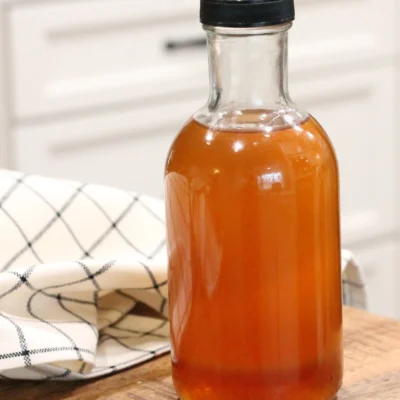
Homemade Fire Cider (Simple Small Batch Recipe)
Equipment
- 1 clean quart-size glass mason jar
- Lid (plastic lid preferred)
- Cutting Board
- Sharp Knife
- measuring cups and spoons
- Fine-mesh strainer or cheesecloth
- Clean bowl or measuring cup for straining
Ingredients
For the infusion:
- 2 cups organic raw apple cider vinegar plus extra if needed
- ½ organic onion chopped
- 10 organic garlic cloves smashed
- ½ organic lemon sliced
- ½ organic orange sliced
- 1 organic jalapeño sliced (or any other hot peppers)
- 2 tablespoons organic finely chopped ginger root
- 2 tablespoons organic finely chopped fresh horseradish root
- 1 tablespoon organic finely chopped fresh turmeric root
- 1 teaspoon dried thyme
- 1 teaspoon dried rosemary
- 1 teaspoon dried oregano
- ½ tablespoon black peppercorns
- ¼ teaspoon cayenne pepper
Added after infusing:
- 1 –2 cups local raw honey to taste
Instructions
- Wash all produce well. Chop the onion, slice the lemon, orange, and jalapeño, and finely chop the ginger, horseradish, and turmeric root. Smash the garlic cloves to help release their flavor. There’s no need to be precise here. Rough chopping is fine.
- Add all of the prepared ingredients to a clean quart-size glass jar. Sprinkle in the dried herbs, black peppercorns, and cayenne. The jar should be mostly full, but not packed too tightly.
- Pour apple cider vinegar over the ingredients until everything is completely covered. If needed, add a little extra vinegar to make sure nothing is sticking up above the liquid.
- If you’re using a metal lid, place a piece of parchment paper between the jar and the lid to protect it from the vinegar.
- Seal the jar and place it in a cool, dark place like a pantry or cabinet. Let it sit for 4–6 weeks, give it a good shake every few days.
- Once the infusion time is up, strain the mixture through a fine-mesh strainer or cheesecloth into a clean bowl or jar. Press the solids to get as much liquid out as possible, then discard the solids.
- Stir in 1–2 cups of raw local honey, depending on how sweet you want it. Start with 1/2 cup, taste, and add more if needed. Stir until fully combined.